


What is a double cylindrical roller bearing?
 Aug 20, 2024|
 View:1107
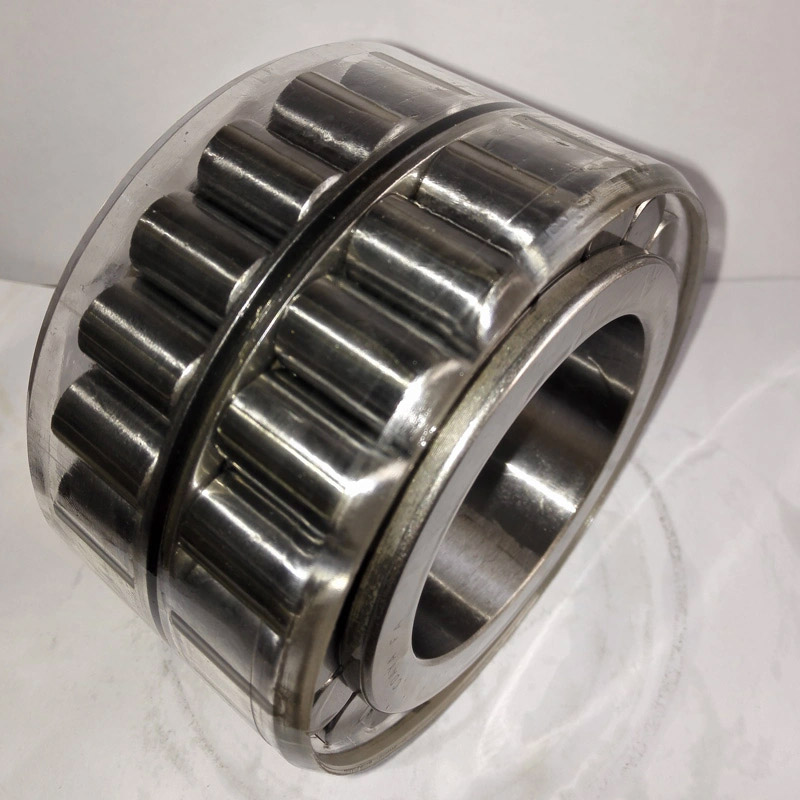
An outer ring with a cylindrical raceway.
An inner ring with a cylindrical raceway.
Two rows of cylindrical rollers that are constrained by a cage to maintain uniform spacing.
High Load Capacity: The double-row design allows for higher load-bearing capacity compared to single-row bearings.
Low Friction: Cylindrical rollers have a lower rolling friction than ball bearings, which is beneficial for high-speed applications.
Stability: The symmetrical design provides excellent stability and rigidity.
Limited Axial Load Capacity: While primarily designed for radial loads, they can handle some axial loads.
Precision: Suitable for applications requiring high precision and consistent performance.
Quality Assurance:HECB is committed to producing bearings that meet the highest quality standards. Their rigorous quality control processes ensure reliability and longevity.
Innovative Manufacturing Techniques:HECB invests in state-of-the-art manufacturing technology, which allows them to produce double cylindrical roller bearing with exceptional precision and consistency.
Customization Capabilities:Understanding that every application is unique, HECB offers customized solutions to meet specific requirements, including size, material, and performance specifications.
Global Reputation:HECB has established a strong global presence, recognized for delivering high-quality bearings that meet international standards.
Technical Expertise:Their team of engineers and technicians possesses deep expertise in bearing technology, ensuring that their products are at the forefront of innovation.
Reliable After-Sales Service:HECB provides comprehensive after-sales support, including maintenance, technical advice, and prompt service for any issues that may arise.
Sustainability:HECB is dedicated to sustainable manufacturing practices, producing bearings that are not only durable but also environmentally friendly.
Heavy Machinery: Such as cranes, excavators, and bulldozers, where high radial loads are common.
Industrial Equipment: Including conveyor systems, printing presses, and paper-making machinery.
Automotive Industry: In wheel hubs and other components that require high-speed rotation and load-bearing capacity.
Aerospace: For applications that demand precision and reliability under extreme conditions.


