


Needle Roller Bearing Guide: Buy & Install Tips
 Aug 26, 2026|
 View:156
A needle roller bearing uses small cylindrical rollers that are 6 mm or less across. This design gives high radial load capacity in small spaces. Picking the wrong type or installing it badly can cause early failure, damage to equipment, and costly downtime.
How do you choose the right bearings for your job? How do you install them without causing damage? This guide answers both questions. You will learn how to pick bearings based on load, speed, environment, and size. You will also follow step-by-step installation steps. Drawn cup needle roller bearings often work well in tight spaces, but you must measure the shaft and housing exactly. Needle bearings need careful handling during installation. Avoid common mistakes like hammering or misalignment. This practical, expert advice helps engineers and technicians get reliable performance in tough jobs.
Key Takeaways
Pick the bearing that fits your load, speed, and environment to make it last longer.
Measure the shaft and housing exactly to ensure the correct fit.
Use a press to put in drawn cup needle roller bearings without harming them.
Clean every surface and check the bearings before you put them in.
How to Select the Right Needle Roller Bearing
Load, Speed, and Environment Factors
You start by learning about ratings. Every bearing has a dynamic rating and a static rating. The dynamic rating tells you the force the bearing can handle while it spins. You find this number in the manufacturer's catalog. The static rating applies when the bearing sits still under load. You need both numbers to choose the right bearing. A needle roller bearing can handle high loads in a small space. This makes it a top choice for tight spots where other bearings do not fit. You get high radial capacity without taking up much space.
Speed also limits your choices. Needle bearings run at moderate speeds. Higher speeds create more heat. You need good lubrication to control this heat. Grease works for most uses. Oil works for higher speeds or higher temperatures. You must choose the right lubricant for your job. Drawn cup needle roller bearings are a common choice for compact designs. They save space and handle high radial loads well. Many applications use them in automotive transmissions and industrial gearboxes. These bearings provide excellent durability in these tough environments. You can also find them in hydraulic pumps and construction equipment.
The environment affects your bearing choice. Dust shortens life. Moisture causes rust. Chemicals attack the steel. High temperatures change lubricant properties. You may need seals or special coatings. You must match the bearings to the working conditions. This step answers how to choose the right drawn cup needle roller bearing for your job. A good match gives you long durability and reliable performance. A poor match leads to early failure. Needle bearings need protection from harsh environments. You must consider every factor in your application.
Measuring OD, ID, and Width
You must measure the shaft diameter and housing bore exactly. Use a micrometer or caliper for standard jobs. These tools give good results for most uses. For higher precision, you can use advanced tools. An LS-9000 Series high-speed optical micrometer provides repeatability of ±0.03 μm and accuracy of ±2 μm. This tool works well for precise bearing seat diameter measurements. A TM-X5000 Series telecentric measurement system offers high accuracy with a large depth of field. It measures inner and outer diameters for bearing seats. General optical or laser micrometers achieve accuracy in the micron range from 0.1 μm to 10 μm. These tools measure diameter, gaps, and width without moving parts. They give consistent micrometer-level precision.
You need three measurements. The OD of the bearing outer ring. The ID of the bore. The width of the bearing. These three numbers must match the housing and shaft. If you know how to measure needle roller bearings correctly, you avoid fit problems. A loose fit causes slipping. A tight fit causes binding. Both lead to early failure. You want a slight interference fit for most applications. A needle roller bearing needs the right fit to work properly. Needle bearings require precise measurement to function correctly.
HECB offers OEM and ODM services for custom sizes. But standard sizes are often enough. Many applications use standard drawn cup needle roller bearings. Always check the dimensions before ordering. Measure twice. Order once. This simple step saves time and money. It also ensures your bearing lasts its full life. You get the best capacity from a correctly sized bearing. You must consider your application needs when choosing the right fit. A heavy application needs a tighter fit.
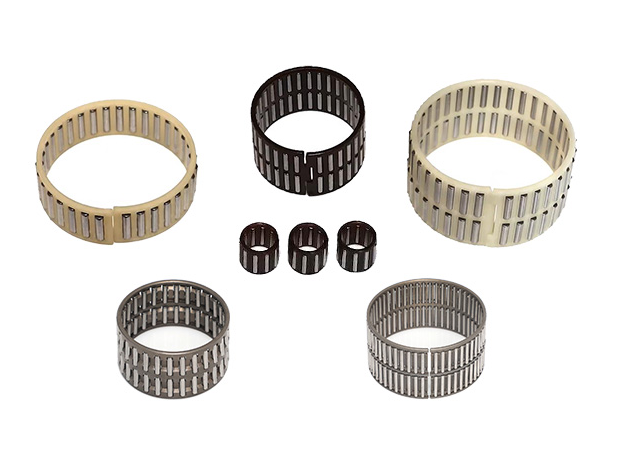
How to Install Needle Roller Bearings: Step-by-Step Guide
Proper installation decides how long your needle roller bearings will last. Even a perfect part fails quickly if you install it poorly. You need a clean workspace, the right tools, and a careful approach. This section walks you through the full process for drawn cup needle roller bearings. Follow each step in order. Do not skip ahead. Your attention to detail during installation pays off with years of reliable service.
Pre-Installation Inspection for Needle Bearings
Start with a clean work area. Dust and metal chips cause premature wear. You must clean all mating surfaces before you touch the new parts. Use a lint-free cloth with a suitable solvent. Remove every trace of debris, burrs, and old lubricant from the bearing seat. The housing bore and shaft surface must shine clean.
Use a non-residual solvent when cleaning bearing surfaces to ensure optimum lubrication conditions, as residual films can interfere with the lubricant's performance.
Choose your solvent carefully. Organic, hydrocarbon-based solvents work best for this task. Kerosene (A-1 cleaners) and naphtha or Stoddard solvent (A-2 cleaners) dissolve heavily crusted carbon residues. These solvents leave no film behind. Your bearing surfaces stay clean and ready for fresh grease or oil. This step matters because leftover residue degrades your new lubricant.
Now inspect the new needle bearings. Look for corrosion on the rollers and races. Check for roller skew, where rollers sit at an angle instead of parallel. Examine the cage for cracks, bent fingers, or missing sections. Discard any damaged part immediately. A flawed bearing fails fast and damages your equipment. Never install a questionable component. Your inspection takes two minutes and saves hours of downtime later.
Pressing Techniques and Tools
Position the bearing correctly before pressing. The stamped end carries the identification markings. Face this end toward your pressing tool. This orientation ensures you apply force to the strongest part of the drawn cup needle roller bearings. Use an arbor press or a bench vise for the job. Apply force evenly and gently. Never use a hammer for this task.
The hammer method carries serious risks. You should use it only as a last resort, and only for small ball bearings with a loose fit. It must never touch tight fits or medium and large bearings. A brass drift causes similar problems. It can deform the bearing, damage the rolling elements, or destroy the part completely. Misalignment from hammer strikes ruins the bearing. Force must spread evenly across the face. A press gives you that control. A hammer does not.
Press the bearing into the housing bore. Stop when the outer ring sits flush against the shoulder. For recessed installations, press until the bearing reaches the correct depth. Use the old bearing as a drift when you need to seat a new one deeper. The old part protects the new one from damage. This trick works well for drawn cup needle roller bearings in blind holes.
Verify your work after pressing. Check that the bearing sits fully against the shoulder. Rotate the shaft by hand. It should spin smoothly without binding or roughness. Any grinding sensation means something is wrong. Remove the bearing and start over. For thrust needle roller bearings, use a slip fit on the shaft and a clearance fit in the housing bore. This prevents rubbing and premature wear.
Your installation process directly affects load capacity. A properly seated bearing handles its full rated load. A cocked or damaged bearing fails early. Take your time. Measure your progress. Your careful work ensures the bearing performs exactly as designed for your application. Different applications demand different fits, so always check your specifications before pressing.
Selecting the correct needle roller bearing starts with three factors. You must understand load, speed, and environment. Precise measurements of OD, ID, and width are non-negotiable. These steps determine the load capacity for your application. Without them, your bearings fail early.
Installation matters just as much. Good bearings need good installation.
Never apply force through the rolling elements.
This rule protects your drawn cup needle roller bearings. Proper installation extends lifespan and bearing lifespan. Needle bearings need careful handling.
A successful outcome combines the right part with the right procedure. For complex applications, consult HECB's technical team. Visit our website for application-specific guidance. Expert advice prevents costly mistakes.
FAQ
How long do needle bearings last?
Needle bearings can last thousands of hours if you take good care of them. The exact lifespan depends on your application. Good lubrication and a clean installation help them last longer. Drawn cup needle roller bearings can handle heavy loads for years. You need to pick a bearing that fits your operating conditions. Checking them regularly helps you spot problems early.
What lubricant should I use?
Grease works well for most uses. Oil is better for higher speeds or temperatures. You need to pick a lubricant that fits your working environment. Drawn cup needle roller bearings need clean, fresh grease when you install them. Always check what the manufacturer suggests for your specific use. Good lubrication stops early wear and failure.
Can I install drawn cup needle roller bearings with a hammer?
No. A hammer can damage the rolling parts and the cage. You should use a press or a vise instead. Push evenly on the stamped end. Drawn cup needle roller bearings need careful handling when you install them. Using a hammer can cause misalignment and early failure. Use the right tools to get good results.
Do you offer custom bearing sizes?
Yes. HECB offers OEM and ODM services for custom sizes. Standard drawn cup needle roller bearings fit most applications. First, measure the shaft and housing bore carefully. Custom options work well for unique applications with special needs. Contact our technical team for help with your specific requirements.


Recommended Products

HK2820 - Heavy Duty Drawn Cup Needle Roller Bearing 28x35x20mm

OEM Metric needle roller bearing Cage Assemblies Thrust Bearing

Drawn Cup Needle Roller Bearing HK2016-2rs

Inch Drawn Cup Needle Roller Bearing With Cage Sc2016

HK1214 2RS Drawn Cup Needle Roller Bearing 12x16x14mm

HK1620 Drawn Cup Needle Roller Bearing with Cage

Drawn Cup Needle Roller Bearing with Cage HK1210

RNA 49/22 - Needle Roller Bearing with Machined Rings

HK3516 Drawn Cup Needle Roller Bearing (35x42x16 mm)

High Capacity Needle Roller Bearing with Machined Rings Rna4922


Recent News
1.What Are Single Row Needle Roller Bearings?
2025-04-142.Needle Roller Bearing Types Guide and Applications
2025-04-243.Drawn Cup Needle Roller Bearings Types and Applications
2025-08-144.The solution for space constraints: needle roller bearings with machined rings
2025-09-025.What are the different types of needle roller bearing?
2025-09-056.Guide to Machined Needle Roller Bearings Stockists
2026-01-277.What is a drawn cup needle roller bearing
2025-01-068.Are needle roller bearings better than ball bearings?
2024-07-169.Top 10 Axial Needle Roller Bearing Manufacturers in 2026
2025-03-1810.Key Features of OEM Thrust Needle Roller Bearings
2025-02-11

