


What is a Stud Type Track Roller Bearing?
 Dec 24, 2024|
 View:988
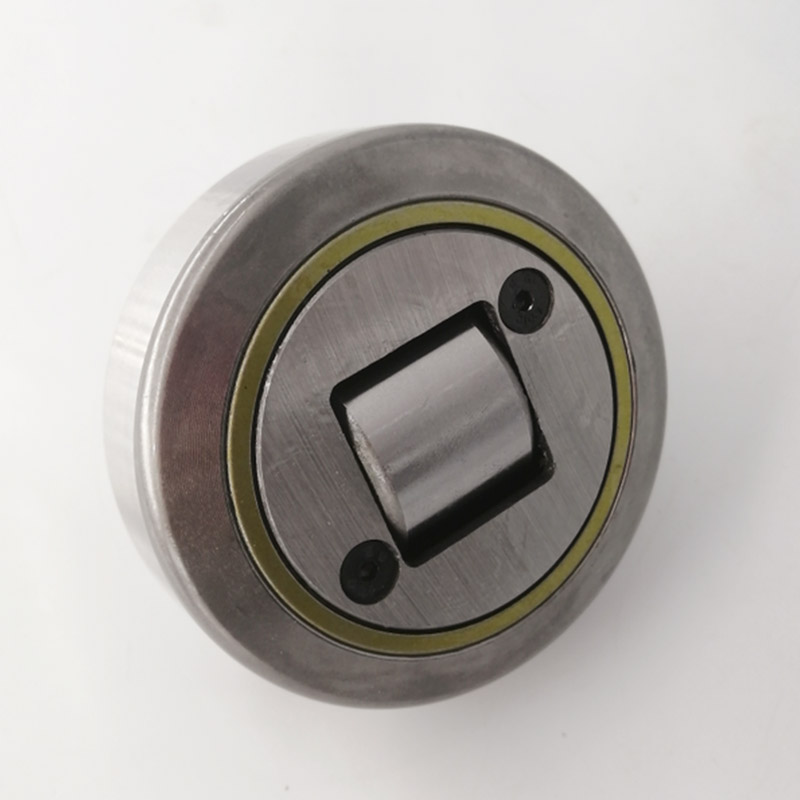
Stud type track roller bearings are essential components in various industrial applications, particularly in systems requiring linear motion. These bearings are designed to support heavy loads while providing smooth movement along tracks or rails. This article delves into the design, features, applications, advantages, and maintenance of stud type track roller bearings.
Design and Construction
Stud type track roller bearings consist of a cylindrical roller or wheel mounted on a stud, which facilitates easy installation and adjustment. The key components include:
Outer Ring: This is the main body of the bearing, designed to accommodate the load and provide a stable surface for rolling.
Inner Ring: The inner ring fits onto the stud, allowing the roller to rotate smoothly while maintaining alignment with the outer ring.
Rollers: Typically cylindrical in shape, these rollers are the primary components that allow for load distribution and motion. They can vary in size and material depending on the application requirements.
Seals and Shields: Many stud type track roller bearings come equipped with seals or shields that protect the internal components from dirt, dust, and moisture, enhancing durability.
Features and Advantages
Stud type track roller bearings offer several features and benefits that make them a preferred choice in many applications:
High Load Capacity: These bearings are designed to support heavy radial and axial loads, making them ideal for heavy machinery and conveyor systems.
Smooth Operation: The design of the rollers allows for low friction during movement, ensuring smooth and efficient operation.
Versatility: Stud type track roller bearings can be used in various applications, from automated machinery to conveyors and even in the automotive industry.
Easy Installation: The stud design facilitates quick installation and replacement, reducing downtime in manufacturing processes.
Durability: Made from high-quality materials, these bearings are built to withstand harsh environments, ensuring a long service life.
Maintenance-Free Options: Many stud type track roller bearings are designed to be maintenance-free, reducing the need for regular lubrication and inspections.
Cost-Effectiveness: Given their durability and performance, they often represent a cost-effective solution in the long run, minimizing replacement and repair costs.
Applications
Stud type track roller bearings are found in a wide range of industries and applications, including:
Conveyor Systems: Used extensively in manufacturing and distribution centers, these bearings ensure smooth, efficient movement of materials along conveyor belts.
Automated Machinery: In robotics and automated systems, stud type track roller bearings provide reliable motion control and stability.
Packaging Machines: Many packaging machines utilize these bearings for smooth operation, enhancing overall efficiency and productivity.
Material Handling Equipment: From forklifts to pallet jacks, these bearings are crucial in supporting the load and ensuring smooth movement.
Railway Systems: In rail transport, stud type track roller bearings can be used in various components for smooth and reliable operation.
Agricultural Equipment: These bearings are commonly found in farming machinery, where they support heavy loads and endure challenging conditions.
Construction Equipment: Heavy machinery, such as excavators and bulldozers, often incorporates these bearings for optimal performance.
Maintenance and Care
While many stud type track roller bearings are designed for low maintenance, following proper care practices can enhance their longevity and performance:
Regular Inspections: Periodic checks for wear and tear can help identify potential issues before they become significant problems.
Proper Lubrication: Depending on the design, some bearings may require lubrication. Using the correct type and amount of lubricant is crucial.
Cleaning: Keeping the bearings and surrounding areas clean can prevent dirt and debris from entering the bearing, which can cause premature wear.
Alignment Checks: Ensuring that the bearings are correctly aligned is vital for smooth operation and to prevent additional stress on the components.
Load Management: Avoiding overload conditions can prolong the life of the bearings and maintain their performance.
Stud type track roller bearings play a critical role in facilitating smooth and efficient motion across various applications. Their robust design, high load capacity, and ease of installation make them indispensable in modern industrial machinery. By understanding their features, benefits, and maintenance requirements, manufacturers and engineers can optimize their use, ensuring reliability and performance in demanding environments. As industries continue to evolve, the importance of high-quality components like stud type track roller bearings will remain paramount in achieving operational excellence.


