


How do you remove a cylindrical roller bearing?
 Dec 12, 2024|
 View:1262
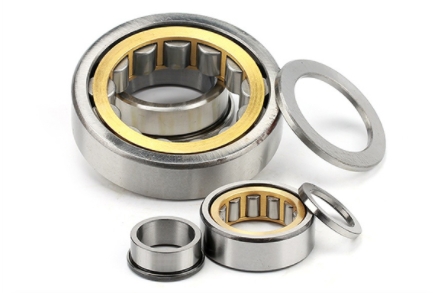
Cylindrical roller bearings are widely used in various machinery due to their ability to carry heavy radial loads. However, there are times when these bearings need to be removed, either for replacement due to wear and tear, or for maintenance purposes. Removing a cylindrical roller bearing requires careful planning and the use of appropriate tools to avoid damaging the bearing, the shaft, or the housing.
II. Tools Required
Pullers
Mechanical pullers are essential tools for removing cylindrical roller bearings. There are different types of pullers available, such as two - arm pullers and three - arm pullers. The choice depends on the size and accessibility of the bearing. A two - arm puller is suitable for smaller bearings, while a three - arm puller provides more even force distribution for larger bearings.
Hydraulic pullers can also be used, especially for bearings that are tightly fitted. Hydraulic pullers exert a greater force compared to mechanical pullers, which is beneficial when dealing with stubborn bearings. However, they are more expensive and require proper handling and maintenance.
Presses
A hydraulic press is a very useful tool for removing cylindrical roller bearings. It can apply a controlled and even force, which is crucial for safely removing the bearing without causing damage. When using a press, the bearing can be placed on a suitable die or adapter to ensure that the force is applied evenly across the bearing.
A mechanical press can also be used, but it may not be as precise as a hydraulic press in terms of force control. However, for some less - critical applications, a mechanical press can be a cost - effective option.
Heat - applying Equipment
In some cases, heating the housing that contains the bearing can be helpful. This causes the housing to expand slightly, reducing the interference fit between the cylindrical roller bearing and the housing. A heat gun or an induction heating device can be used for this purpose. When using heat, it is important to apply it evenly and not to overheat the housing, as this can cause distortion or other damage.
Lubricants
Applying a suitable lubricant, such as penetrating oil, can help in loosening the bearing. The lubricant can seep into the small gaps between the cylindrical roller bearing and the shaft or housing, reducing friction and making it easier to remove the bearing. It is advisable to let the lubricant sit for some time, usually a few hours, to allow it to penetrate fully.
III. Removal Procedures
Preparation
Before attempting to remove the cylindrical roller bearing, it is necessary to clean the area around the bearing thoroughly. This helps in preventing any dirt or debris from getting into the bearing during the removal process. Also, mark the position of the bearing on the shaft or housing if it needs to be reinstalled in the same orientation.
Inspect the bearing and the surrounding components to determine the best method of removal. Check for any signs of damage or wear that may affect the removal process.
Using a Puller
If using a mechanical puller, attach the puller arms to the outer ring of the cylindrical roller bearing. Make sure that the arms are evenly spaced and securely attached. Then, turn the center bolt of the puller to gradually apply force and pull the bearing off the shaft or out of the housing.
For a hydraulic puller, follow the manufacturer's instructions for connecting the puller to the bearing and applying the hydraulic pressure. Start with a low pressure and gradually increase it until the bearing starts to move.
Using a Press
When using a hydraulic press, place the cylindrical roller bearing on a suitable die or adapter. Position the shaft or housing in the press so that the force will be applied in the correct direction. Slowly apply the pressure using the press controls. Monitor the movement of the bearing carefully to ensure that it is coming off evenly.
If using a mechanical press, similar procedures apply. However, be more cautious as the force may not be as evenly distributed as with a hydraulic press.
Heat - Assisted Removal
If heat is being used, first protect any adjacent components that may be sensitive to heat. Then, apply the heat evenly to the housing around the bearing. Once the housing has expanded slightly, use a puller or press to remove the cylindrical roller bearing as described above. After the bearing is removed, allow the housing to cool down naturally before reinstalling a new bearing.
Removing from a Shaft
If the cylindrical roller bearing is on a shaft, in addition to using a puller or press, it may be necessary to rotate the shaft slightly while applying the removal force. This can help in breaking the bond between the bearing and the shaft. However, be careful not to damage the shaft surface during this process.
Removing from a Housing
When removing a bearing from a housing, ensure that the force is applied evenly around the outer ring of the bearing. If the cylindrical roller bearing is stuck due to corrosion or other factors, a combination of heat, lubricant, and pulling or pressing force may be required.
IV. Precautions
Avoiding Damage
Do not use excessive force during the removal process. Excessive force can cause the bearing to break, or it can damage the shaft or housing. If the cylindrical roller bearing does not come off easily, re - evaluate the method and tools being used.
When using a puller or press, make sure that the force is applied evenly. Uneven force can cause the cylindrical roller bearing to come off at an angle, which may damage the components.
Safety Considerations
When using heat - applying equipment, be aware of the potential for burns. Wear appropriate protective gear, such as heat - resistant gloves. Also, ensure that the work area is well - ventilated when using lubricants, as some lubricants may give off fumes.
When using a hydraulic press or puller, follow all safety instructions provided by the manufacturer. Make sure that the equipment is in proper working condition before use.
In conclusion, removing a cylindrical roller bearing requires a combination of the right tools, proper procedures, and safety precautions. By following these guidelines, one can successfully remove a cylindrical roller bearing without causing damage to the bearing or the associated components.


