


Types and materials of miniature needle bearings
 Oct 15, 2024|
 View:1100
Miniature needle bearings play a vital role in today's mechanical engineering. Despite their small size, they are core components of modern machinery and technological innovation. These small needle roller bearings, which are usually less than 10 mm in outer diameter, are widely used in industries such as electronics, medical devices, aerospace, etc., and are essential for reducing friction and facilitating smooth rotational motion in micro-mechanical systems.
As technology advances, the demand for smaller and more precise components has also increased, which has led to the development of miniature needle bearings to meet the requirements of compact applications.
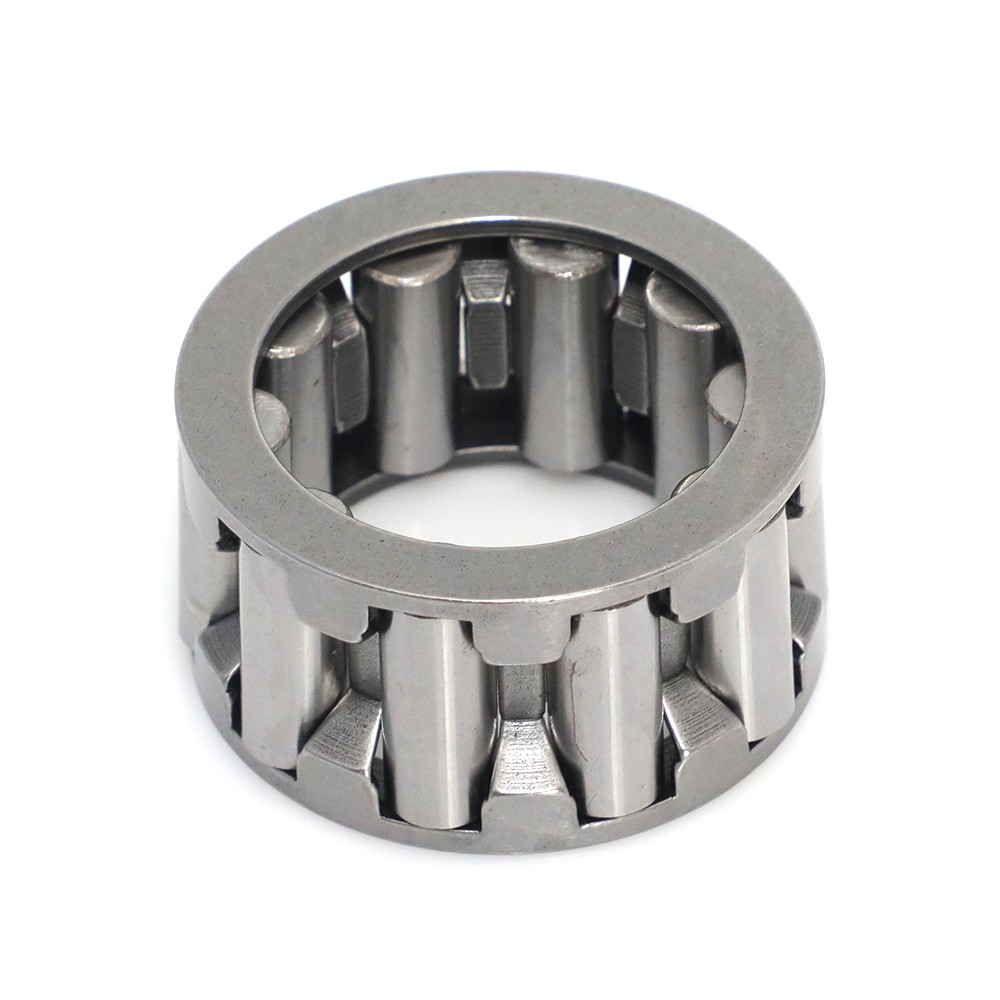
Types and materials of miniature needle bearings
miniature needle bearings are available in many types, including deep groove ball bearings, angular contact ball bearings, self-aligning ball bearings, etc. They are usually made of high-quality materials such as stainless steel or ceramics, which are known for their robustness, wear resistance and corrosion resistance.
Design features
The design features of miniature needle bearings include carefully crafted cages and effective sealing and lubrication mechanisms. Cages help reduce friction, ensure even lubrication distribution and reduce wear, thereby extending bearing life. Seals and lubrication mechanisms protect the internal components of the bearing, reduce friction between moving parts, and improve overall efficiency.
Application areas
miniature needle bearings play a key role in multiple industries, including automotive, home appliances, equipment manufacturing, medical devices and consumer electronics. With the advancement of intelligence, automation and informatization, there are thousands of varieties of micro motor products, all of which widely use miniature bearings as basic mechanical parts.

Challenges and maintenance considerations
Although miniature needle bearings are durable, they also need to be properly installed and maintained to ensure their optimal performance. For example, auxiliary sleeves can be used during installation to prevent the needle from falling off and ensure the correct positioning of the bearing. During the disassembly process, methods such as knocking, hot removal or push-pull can be used.
Future trends
As technology continues to develop, the design and materials of miniature needle bearings are also constantly improving. For example, NSK is developing bearings that can resist electrical corrosion to improve the reliability and performance of electric vehicles.
In short, miniature needle bearings are basic components of modern machinery, with a range of advantages from precision and durability to versatility and low maintenance costs. Their role in reducing energy consumption and improving performance is essential to promoting technological innovation in various industries. As the demand for compact and efficient equipment continues to grow, the importance of miniature bearings in promoting these advances cannot be overemphasized.


