


Understanding Metric Needle Bearings: An In-Depth Overview
 Sep 27, 2024|
 View:740
Needle bearings, a subset of roller bearings, are designed to support radial loads while minimizing friction and wear in rotating applications. Among the various types of needle bearings, metric needle bearings are specifically designed to conform to metric standards, making them essential in global manufacturing contexts. This article delves into the features, advantages, applications, and maintenance of metric needle bearings.
What Are Metric Needle Bearings?
Metric needle bearings are characterized by their long, thin cylindrical rollers, known as needles, which have a diameter significantly smaller than their length. This design allows for a larger contact area with the raceway, providing excellent load-carrying capacity while maintaining a compact form factor. Needle bearings are often used in applications where space is limited, and weight reduction is critical.
Key Features
Compact Design: The slim profile of needle bearings allows them to fit into tight spaces without compromising load capacity.
High Load Capacity: Due to their design, needle bearings can handle high radial loads and shock loads, making them suitable for demanding applications.
Low Friction: The streamlined design and precise engineering reduce friction, resulting in improved efficiency and lower heat generation.
Metric Standards: These bearings conform to international metric standards, ensuring compatibility with a wide range of machinery and equipment.
Types of Metric Needle Bearings
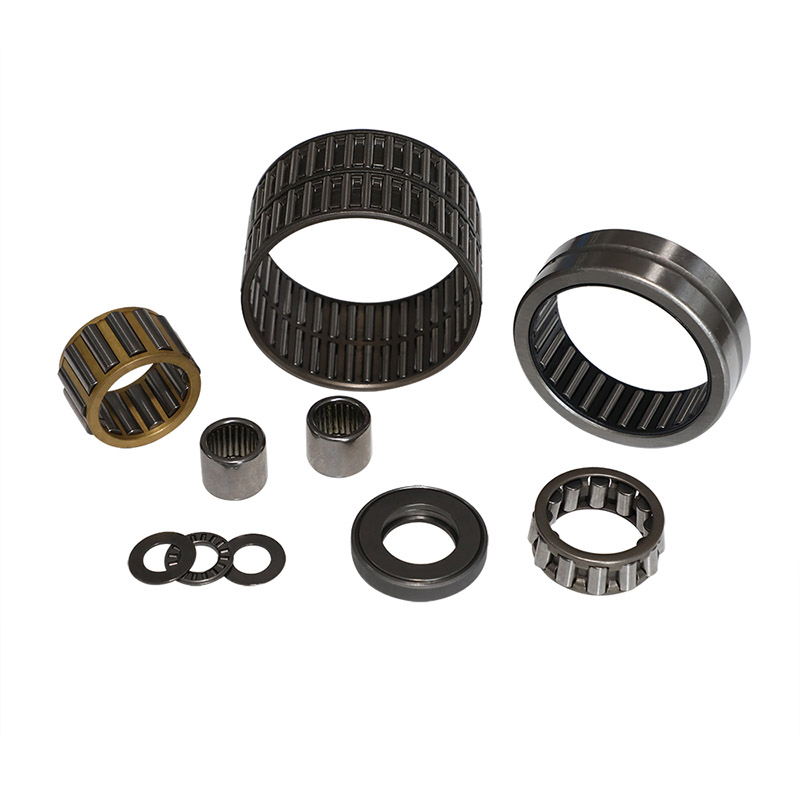
Metric needle bearings can be classified into several types based on their design and application:
1. Needle Roller Bearings
These are the most common type and consist of a cage that holds the needle rollers in place. They provide excellent load capacity and are widely used in automotive and industrial applications.
2. Drawn-Cup Needle Roller Bearings
These bearings come in a cup-shaped structure, allowing for easy installation. They are often used in applications where space is constrained, such as in gearboxes and electric motors.
3. Needle Bearings with Inner Rings
In cases where the shaft cannot be hardened or ground, inner rings are used to provide a smooth surface for the needle rollers. This type is common in applications involving soft shafts.
4. Thrust Needle Bearings
These bearings are designed to handle axial loads and are often used in conjunction with radial needle bearings to support combined loads.
Advantages of Metric Needle Bearings
Metric needle bearings offer numerous advantages that make them a preferred choice in various applications:
1. Space Efficiency
The compact design of needle bearings allows for significant space savings, making them ideal for applications with limited room for components.
2. High Performance
With their ability to handle high loads and operate efficiently with minimal friction, needle bearings contribute to the overall performance and lifespan of machinery.
3. Versatility
These bearings are suitable for a wide range of applications, from automotive and aerospace to industrial machinery and robotics.
4. Cost-Effectiveness
While the initial cost may vary, the durability and reliability of needle bearings can lead to reduced maintenance and replacement costs in the long run.
Applications of Metric Needle Bearings
Metric needle bearings are employed in various industries, owing to their versatility and performance characteristics:
1. Automotive Industry
In vehicles, needle bearings are commonly used in transmissions, engine components, and wheel hubs. Their ability to handle high radial loads makes them ideal for these demanding applications.
2. Aerospace
The aerospace industry relies on needle bearings in mechanisms such as landing gear, control surfaces, and engine components, where weight reduction and reliability are critical.
3. Industrial Machinery
Needle bearings are used in conveyor systems, hydraulic pumps, and various machinery where high load capacity and space efficiency are required.
4. Robotics
In robotic applications, needle bearings are utilized for joints and pivot points, allowing for smooth and precise movement.
Maintenance and Care
Proper maintenance is crucial for ensuring the longevity and performance of metric needle bearings. Here are some essential maintenance tips:
1. Regular Inspection
Frequent checks for signs of wear, corrosion, or contamination can help identify potential issues before they lead to failure.
2. Lubrication
Using the appropriate lubricant is vital for reducing friction and wear. Ensure that the lubricant is suitable for the operating conditions and is applied regularly.
3. Contamination Control
Keep the bearings free from dirt, dust, and moisture, as contaminants can significantly affect performance and lifespan.
4. Installation
Ensure proper installation to avoid misalignment, which can lead to premature wear and failure. Follow manufacturer guidelines for installation procedures.
Metric needle bearings are an essential component in modern machinery, offering a unique combination of compact design, high load capacity, and low friction. Their versatility makes them suitable for a wide range of applications across various industries. With proper maintenance and care, these bearings can significantly enhance the performance and reliability of equipment, making them a preferred choice for engineers and manufacturers worldwide. As technology continues to advance, the role of metric needle bearings in industrial applications will only grow, further solidifying their importance in the engineering landscape.


